
Latest Insights & Activities
Stay up to date with safety trends, new 2026 regulations, and tips for reducing workplace accidents — drawn from the real-world experience of NET's instructor team.
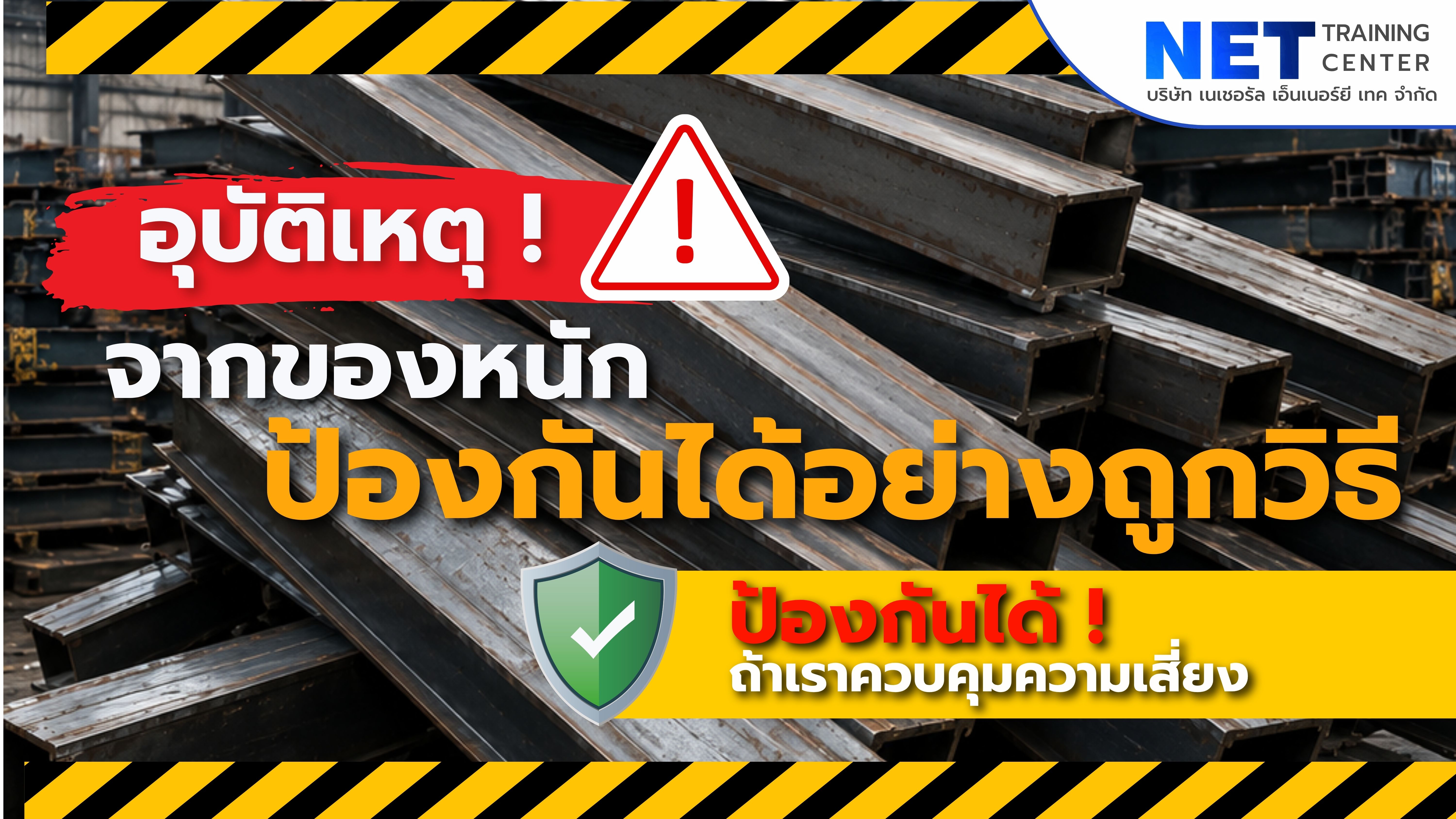
🚨 อุบัติเหตุป้องกันได้อย่างถูกวิธี ⚠️ 5 ข้อ ป้องกันก่อนเกิดเหตุ 1. จัดเก็บให้มั่นคง — ป้องกันไหล ล้ม ถล่ม 2. กั้นเขตอันตราย — ห้ามอยู่ในแนววัสดุ 3. วางแผนก่อนยก — เช็กน้ำหนักและอุปกรณ์ 4. ไม่ปลอดภัย = หยุดงานทันที 🛡️ จำไว้ “วัสดุวางนิ่ง ไม่ได้แปลว่าปลอดภัย” มองความเสี่ยงก่อนเริ่มงาน กลับบ้านอย่างปลอดภัย คือเป้าหมายของเรา

🚸 ทางม้าลาย ไม่ควรเป็นทางมรณะ แค่หยุดไม่กี่วินาที อาจช่วยรักษาหนึ่งชีวิตได้ 🚗 คนขับ: ชะลอ • หยุดให้คนข้าม • ไม่แซง • ไม่เล่นมือถือ 🚶 คนข้าม: ใช้ทางม้าลาย • มองซ้าย–ขวา • รอให้รถหยุด • ไม่ก้มดูมือถือ ⚠️ ทางม้าลายไม่ได้แปลว่ารถทุกคันจะหยุดเสมอ ❤️ หยุดให้คนข้าม เพื่อให้ทุกชีวิตเดินต่อ

ภาวะหมดสติอาจเกิดขึ้นได้โดยไม่ทันตั้งตัว และบางกรณีอาจเป็นอันตรายถึงชีวิต จึงควรรู้สัญญาณเตือนและวิธีช่วยเหลือเบื้องต้น

6 วิธีรับมือน้ำท่วม ติดตามข่าว และประกาศเตือนภัย เตรียมถุงยังชีพ น้ำ อาหาร ยา และเอกสารสำคัญ ยกของขึ้นที่สูง และตัดไฟเมื่อเสี่ยงน้ำเข้าบ้าน เลี่ยงลุยน้ำท่วม โดยเฉพาะบริเวณน้ำไหลแรง ดูแลเด็ก ผู้สูงอายุ และสัตว์เลี้ยง ให้อยู่ในพื้นที่ปลอดภัย หลังน้ำลดอย่าประมาท ระวังไฟฟ้า สัตว์มีพิษ และเชื้อโรค เตรียมพร้อมไว้ ปลอดภัยกว่า ลดความเสียหายเมื่อน้ำมา
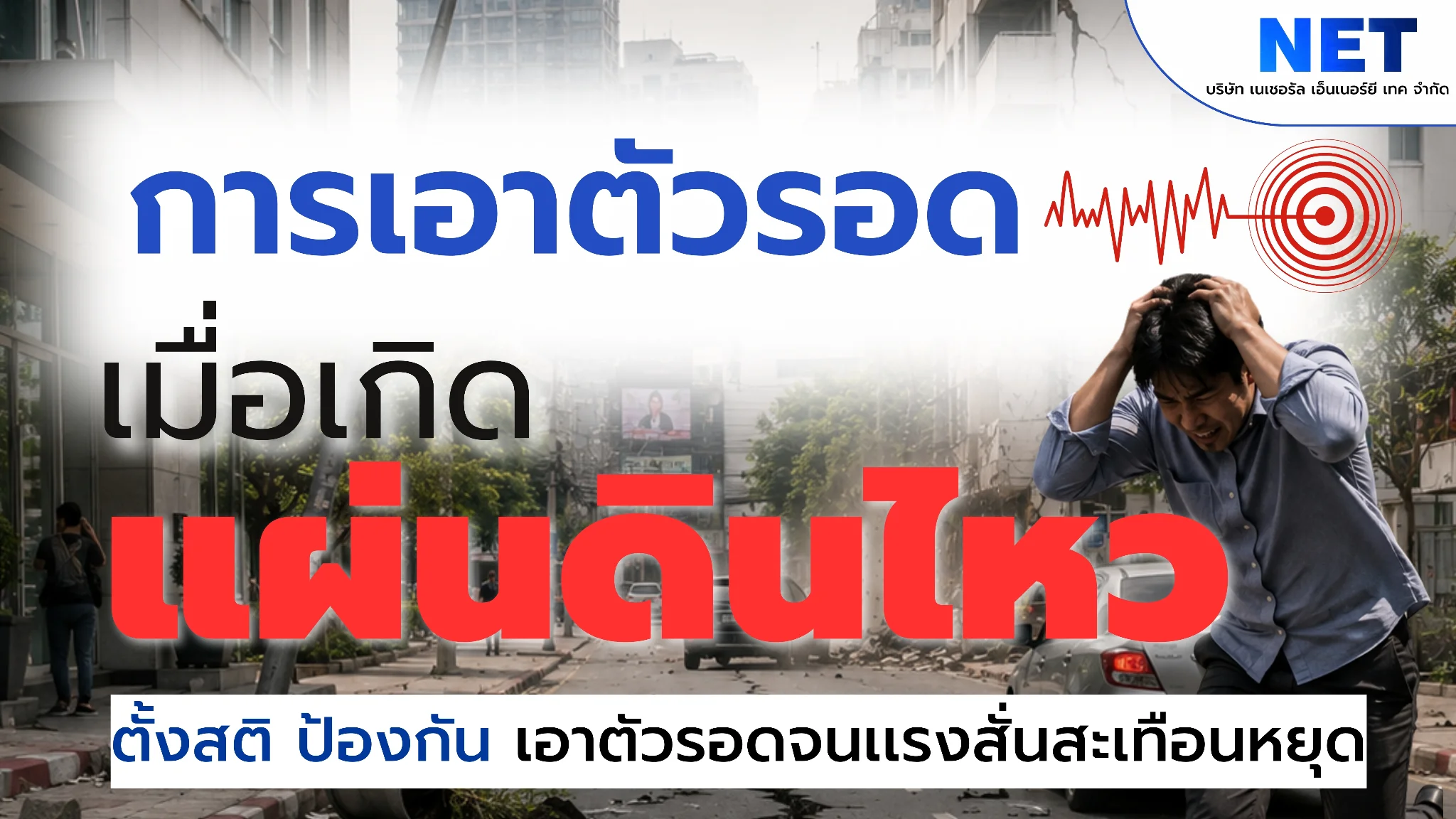
🌏 แผ่นดินไหวเกิดขึ้นได้โดยไม่ทันตั้งตัว…รู้วิธีรับมือ ช่วยลดความเสี่ยงได้ เมื่อเกิดแผ่นดินไหว สิ่งสำคัญที่สุดคือ “ตั้งสติ ป้องกัน และเอาตัวรอดจนแรงสั่นสะเทือนหยุด”
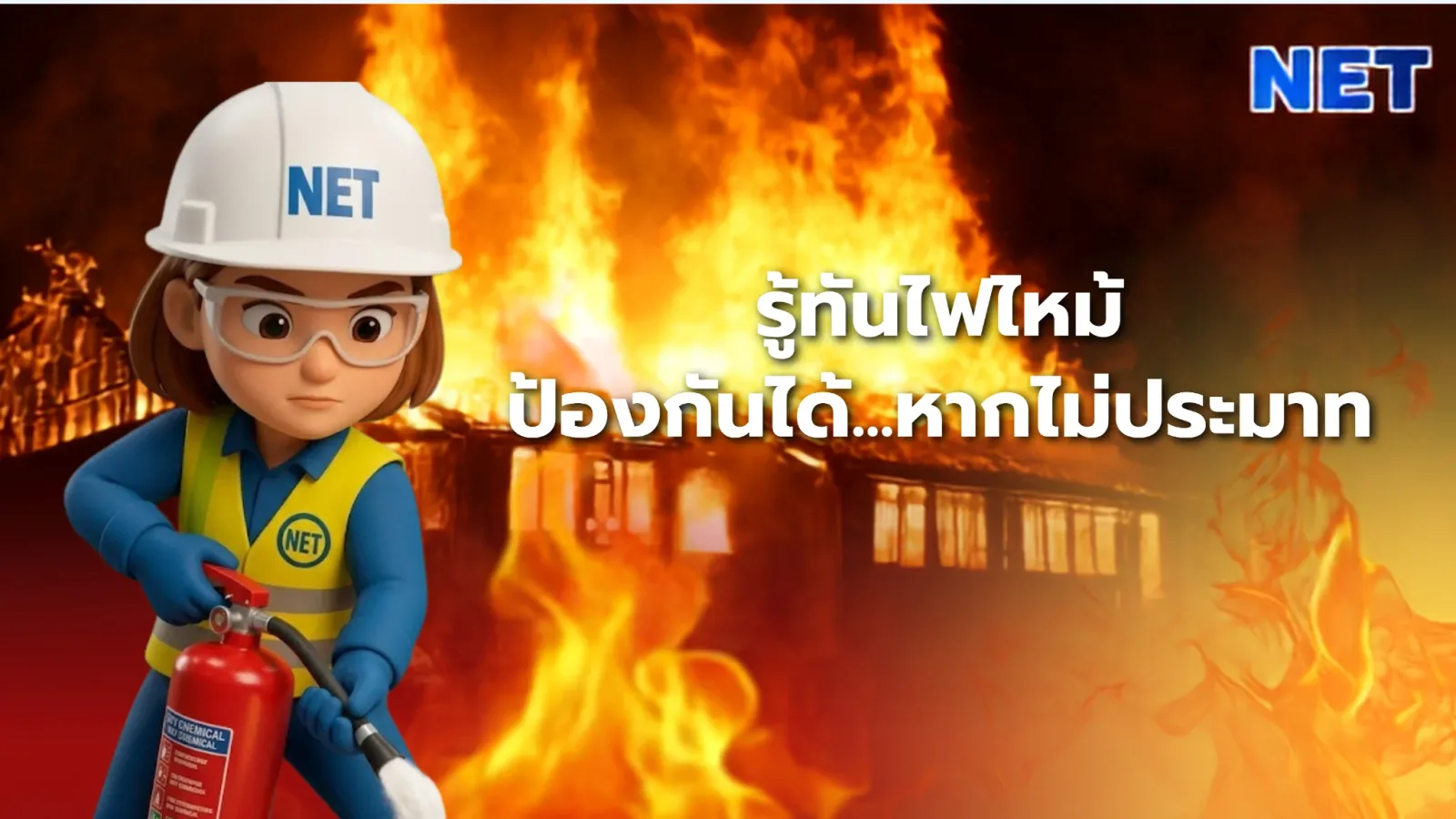
🔥 รู้ทันไฟไหม้... ป้องกันได้ หากไม่ประมาท 🚨 เมื่อเกิดเหตุเพลิงไหม้ ควรปฏิบัติอย่างไร 1. กดสัญญาณแจ้งเหตุเพลิงไหม้ทันที 2. โทรแจ้งเหตุเพลิงไหม้ 3. ใช้ถังดับเพลิงเมื่อเพลิงยังมีขนาดเล็ก 4. อพยพออกจากอาคารทันที
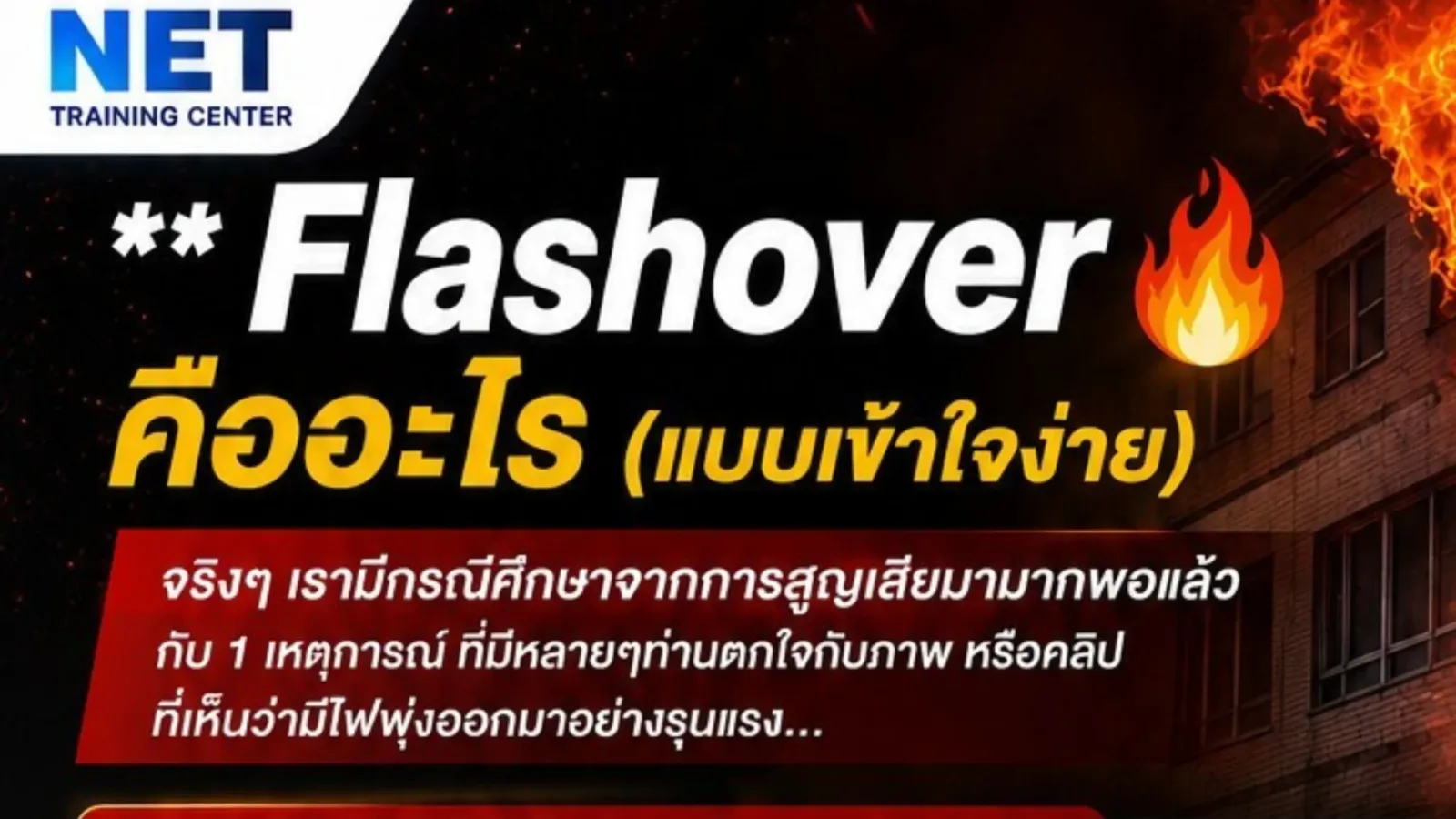
Flashover 🔥 คืออะไร? (แบบเข้าใจง่าย) Flashover คือปรากฏการณ์ที่ ไฟลุกลามทั้งห้องพร้อมกันในเวลาอันรวดเร็ว หลังจากเกิดเพลิงไหม้ในระยะหนึ่ง ไม่ใช่การลุกลามจากจุดหนึ่งไปอีกจุดเหมือนไฟไหม้ทั่วไป แต่เป็นช่วงเวลาที่วัสดุเกือบทุกชนิดภายในห้องติดไฟพร้อมกัน จึงทำให้สถานการณ์รุนแรงขึ้นอย่างฉับพลัน
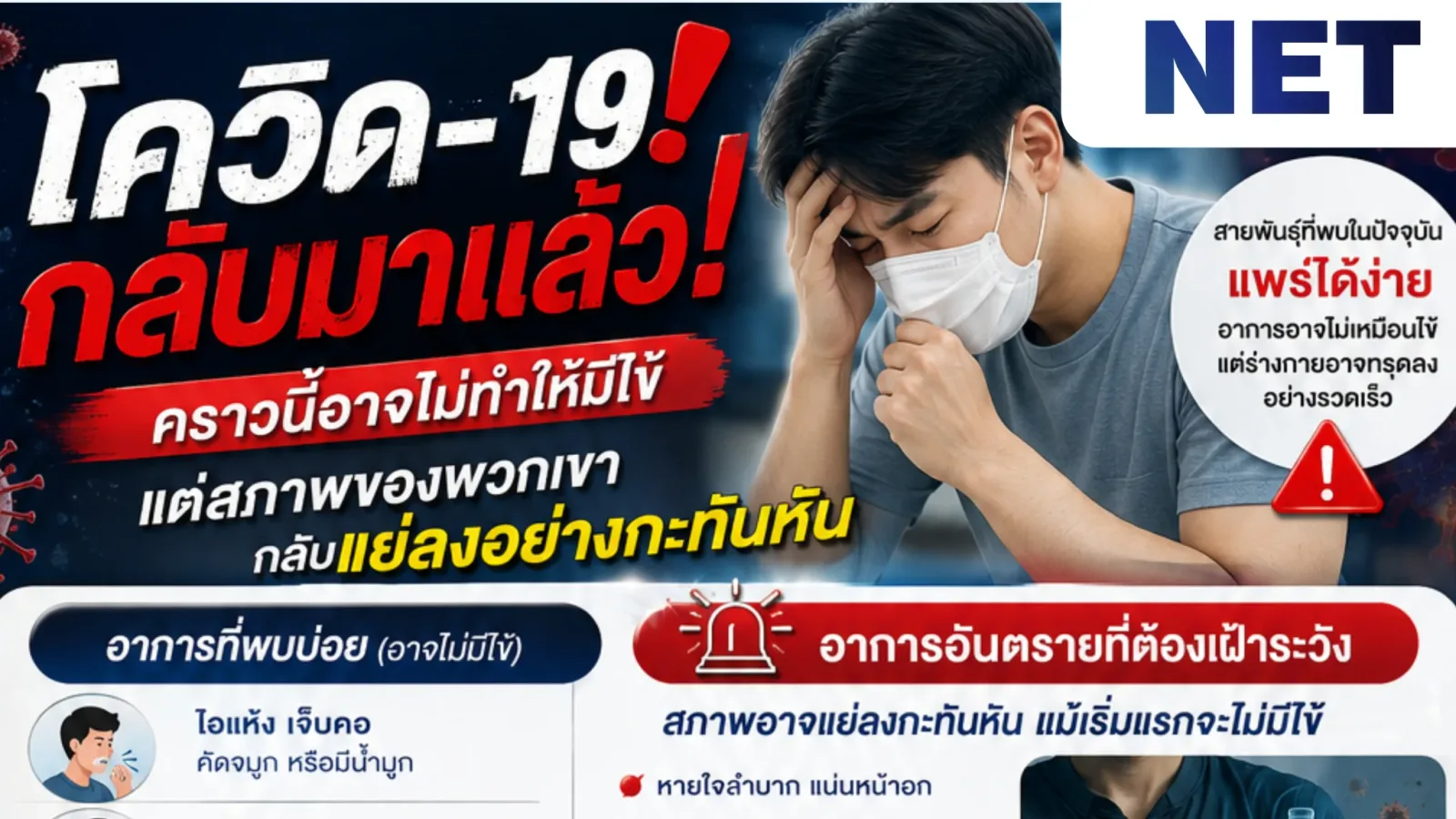
🚨 โควิด-19 กลับมาแล้ว! ผู้ป่วยเพิ่มขึ้น รู้ทัน ป้องกันได้ โควิดบางรายอาจไม่มีไข้ แต่อาจมีอาการ ไอ เจ็บคอ อ่อนเพลีย เหนื่อยง่าย หรือหายใจลำบาก
มทร.อีสาน ผนึกกำลัง บริษัท เนเซอรัล เอ็นเนอร์ยี เทค จำกัดลงนาม MOU พัฒนากำลังคนด้านช่างฝีมืออิเล็กทรอนิกส์ และโทรคมนาคม ตอบโจทย์ตลาดแรงงานยุคใหม่
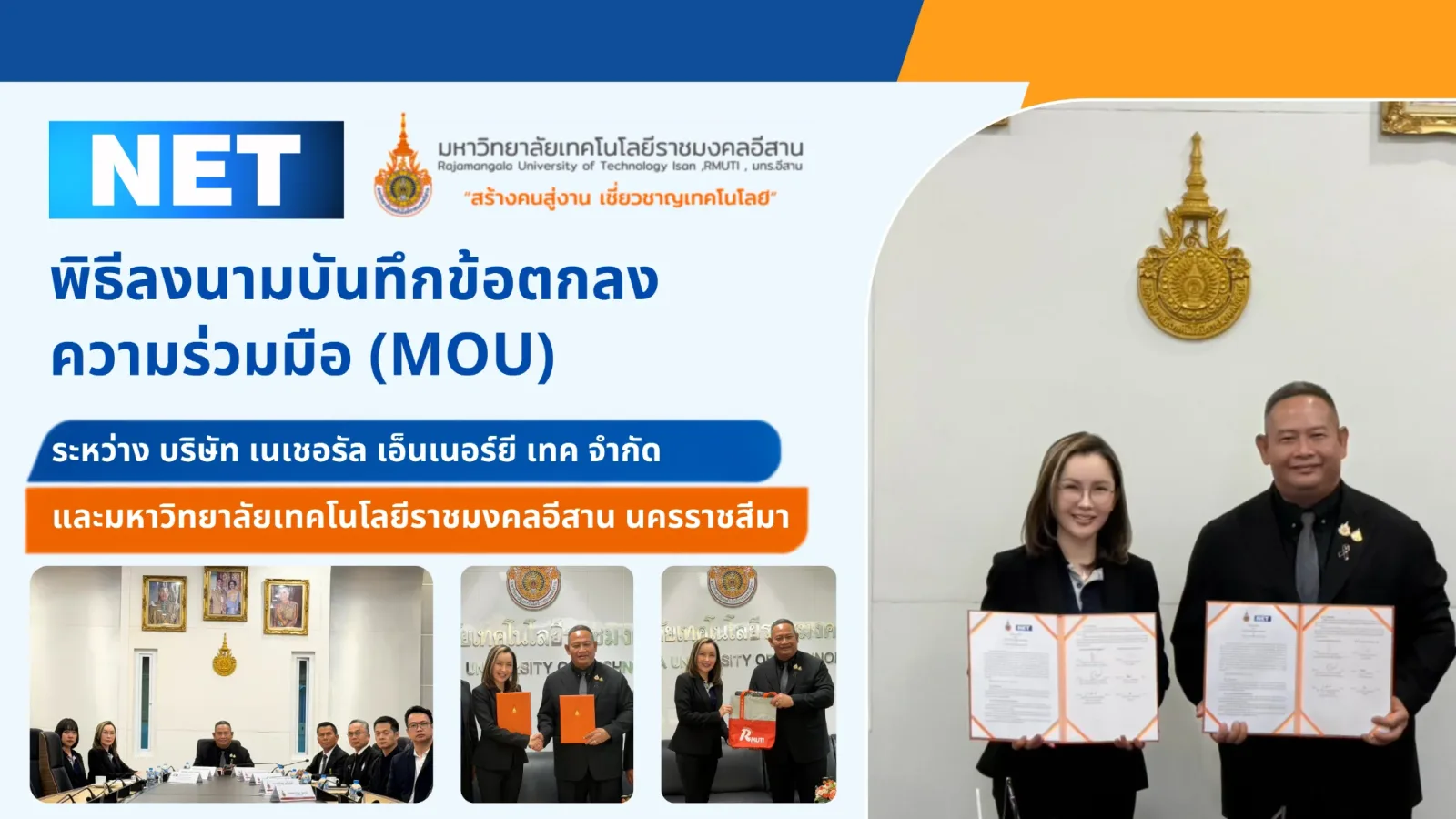
พิธีลงนามบันทึกข้อตกลงความร่วมมือ (MOU)🤝 ระหว่าง บริษัท เนเชอรัล เอ็นเนอร์ยี เทค จำกัด และมหาวิทยาลัยเทคโนโลยีราชมงคลอีสาน นครราชสีมา 🗓เมื่อวันที่ 15 มิถุนายน พ.ศ. 2569 บริษัท เนเชอรัล เอ็นเนอร์ยี เทค จำกัด ได้ลงนามบันทึกข้อตกลงความร่วมมือทางวิชาการ (MOU) ร่วมกับมหาวิทยาลัยเทคโนโลยีราชมงคลอีสาน นครราชสีมา เพื่อส่งเสริมการพัฒนาศักยภาพกำลังคนและยกระดับมาตรฐานความปลอดภัยในการทำงานให้สอดคล้องกับความต้องการของภาคอุตสาหกรรม✅⛑ 📌นางสาวธิดาทิพย์ จำปาแดง กรรมการผู้จัดการ บริษัท เนเชอรัล เอ็นเนอร์ยี เทค จำกัด กล่าวว่า บริษัทดำเนินธุรกิจด้านการพัฒนาองค์ความรู้ มาตรฐานความปลอดภัย และการฝึกอบรมเพื่อเพิ่มสมรรถนะบุคลากรในภาคอุตสาหกรรม โดยเฉพาะด้านงานช่างไฟฟ้า อิเล็กทรอนิกส์ และโทรคมนาคม พร้อมเชื่อมั่นว่าการศึกษาและภาคอุตสาหกรรมต้องทำงานร่วมกัน เพื่อสร้างบุคลากรที่มีทั้งความรู้ ทักษะการปฏิบัติงาน และจิตสำนึกด้านความปลอดภัย 📌ความร่วมมือครั้งนี้มีวัตถุประสงค์เพื่อพัฒนาองค์ความรู้และทักษะวิชาชีพด้านช่างไฟฟ้า อิเล็กทรอนิกส์ และโทรคมนาคม ส่งเสริมความรู้ด้านมาตรฐานความปลอดภัยในการทำงาน และเตรียมความพร้อมให้นักศึกษามีสมรรถนะตรงตามความต้องการของตลาดแรงงาน รวมถึงเปิดโอกาสให้ประชาชนและบุคลากรในสถานประกอบการได้พัฒนาทักษะอย่างต่อเนื่อง 📌ความร่วมมือระหว่างทั้งสองหน่วยงานนับเป็นก้าวสำคัญในการเชื่อมโยงภาคการศึกษากับภาคอุตสาหกรรม เพื่อร่วมกันพัฒนากำลังคนคุณภาพและส่งเสริมความปลอดภัยในการทำงานอย่างยั่งยืน
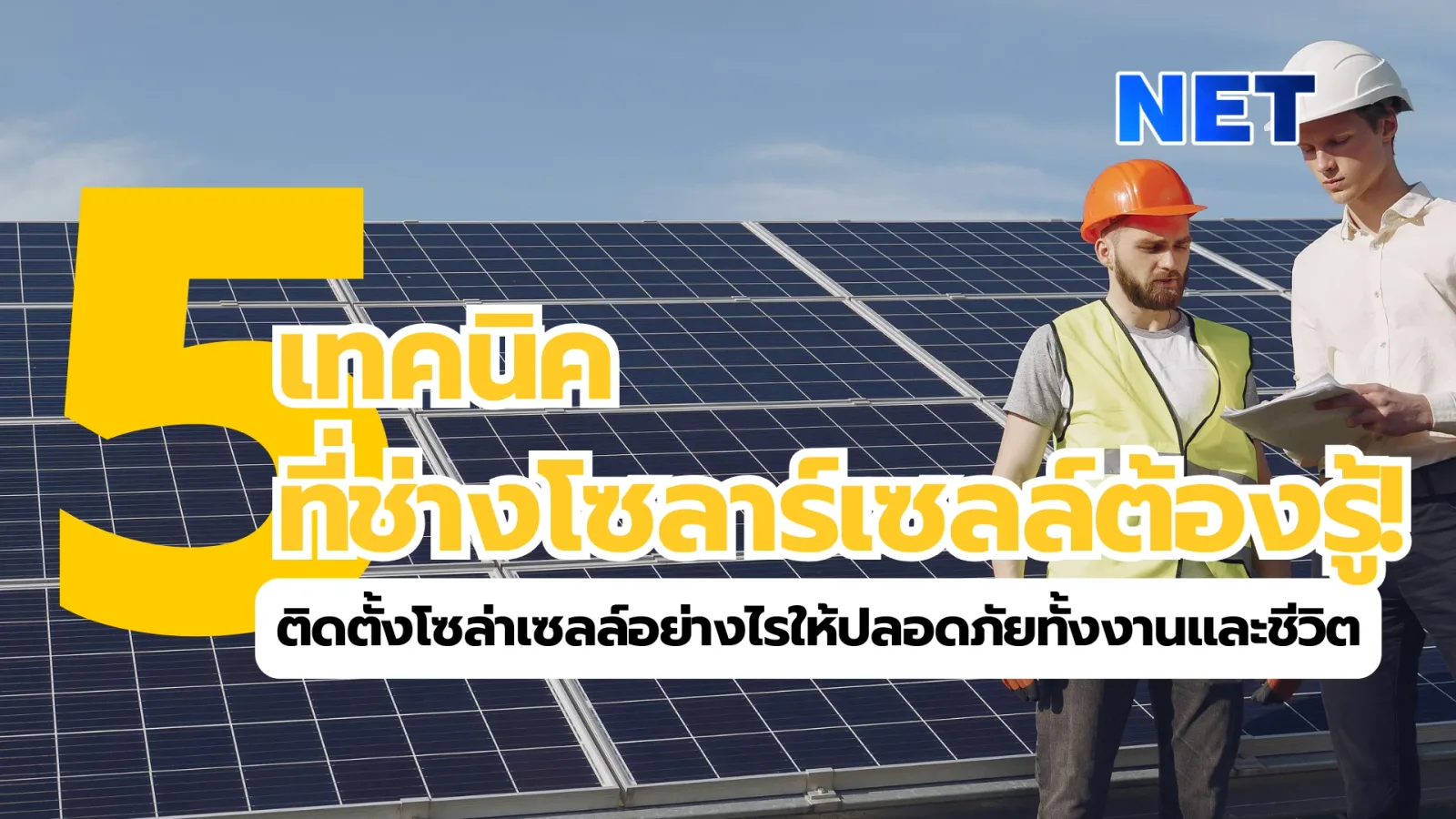
⚡ "How to Install Solar Cells Safely — for Both the Job and Your Life" 6 Simple Techniques Every Solar Cell Technician Must Know! ☀️👷♂️ Installing solar cells is not just about the electrical system — it is about "the safety of the worker." Every step carries risk: electricity, working at height, and the weather. Even a small oversight can lead to serious harm. ✅ 1. Inspect your equipment before starting work Always check that cables, tools, PPE, and fall-protection gear are in ready-to-use condition. This reduces the risk of equipment failure during the job. ✅ 2. Wear your full personal protective equipment (PPE) A safety helmet, fire-resistant gloves, safety shoes, and a fall-arrest harness are the essential items that help prevent accidents. ✅ 3. Beware of electric shock from solar panels Even before they are switched on, solar panels can generate electric current when exposed to sunlight. Always shut down the system and check for live current before working. ✅ 4. Work safely at height Check anchor points and roof condition, and use fall-protection equipment correctly. Never work on slippery surfaces or in places where there is a risk of falling. ✅ 5. Avoid working during rain or thunderstorms Water and electricity are an extremely dangerous combination. Stop work immediately whenever the weather is unsafe. ✅ 6. Stay alert and keep communicating with your team at all times Teamwork, clear warnings, and clear communication help reduce mistakes and improve safety on the job. ⚠️ "Safety is not the duty of any one person — it is everyone's duty." Work safely, so that everyone can return home safely every single day. 💙

The NET Training Center website has added a search function to find training locations near me
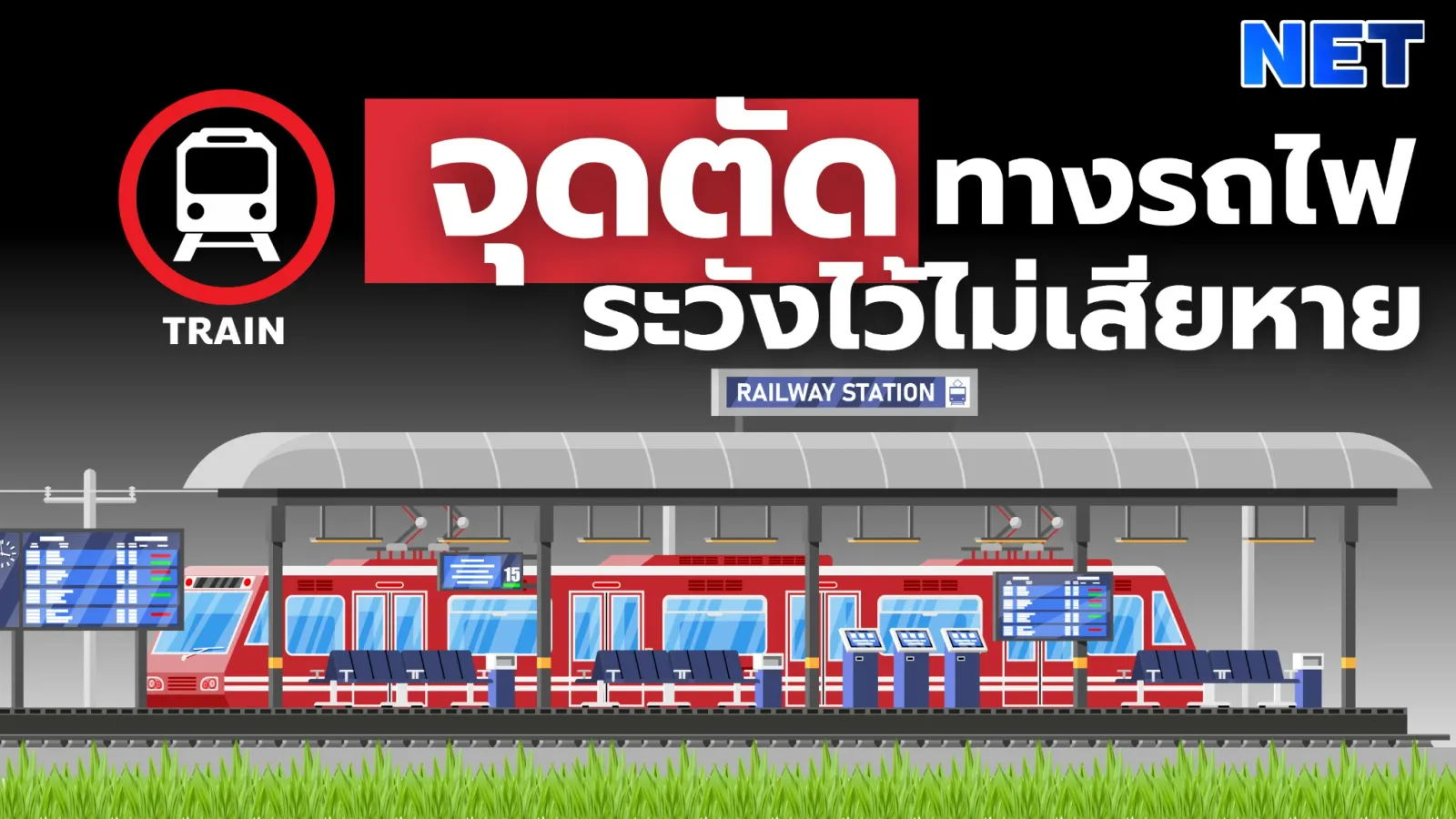
A Summary of 6 Things to Do When Reaching a Railway Crossing Taking your eyes off the road to look at your phone screen, or glancing down to read a message for just a few seconds, may cause us to miss the warning sounds or fail to see an oncoming train. "Safety starts with ourselves: Stop, Look, Listen, and drive with care." Accidents at railway crossings often happen in a fraction of a second, and most of the resulting losses are severe enough to cost lives. Getting home safely every day therefore depends on not being careless and on strictly following traffic rules.
The Heart of Safety... Begins with a "Safety Mindset" 🛡️ Because safety is not just about "rules" or "equipment"; it is a "way of thinking" that we must always prioritize first, in order to build a sustainable work culture.
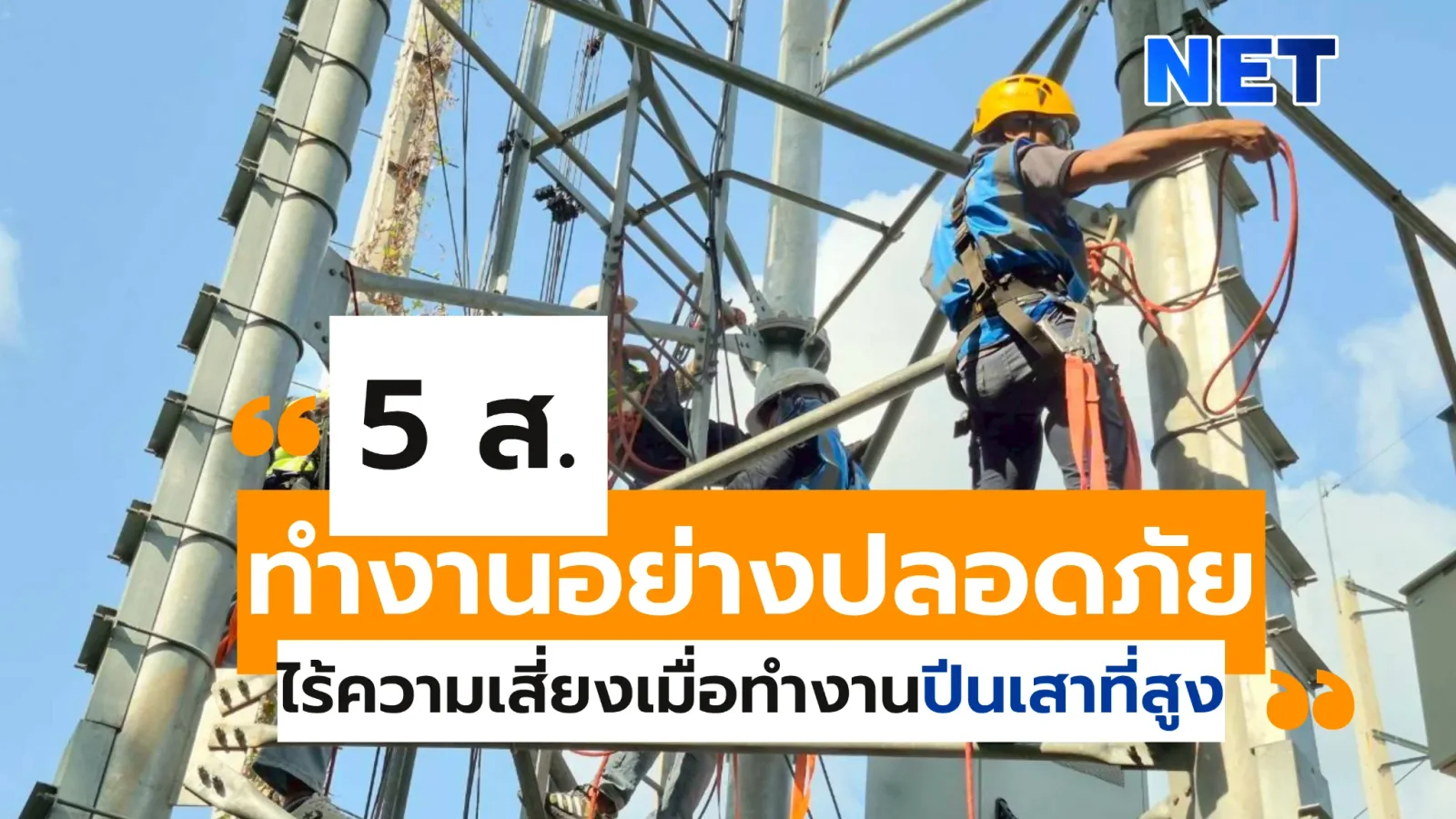
🛑 The 5 S's of Working Safely, Risk-Free, for "Tall Pole Climbing Work" Safe work starts with discipline and ends with everyone getting home safely 1. Suit up (Put on all your PPE; be confident every time before climbing) Put on all personal protective equipment, such as a safety helmet, fall-arrest belt, body harness, gloves, and safety shoes 👉 Prevention first is always safer 2. Survey (Check thoroughly before starting work) Inspect the pole, equipment, and anchor points, as well as the weather and the surrounding environment 👉 Know first, stay safe first 3. Strap (Stay 100% secured at all times) Always clip your fall-arrest lanyard or safety line to a strong anchor point ❗ Do not unclip the line unless necessary 👉 One careless second can change everything 4. Speak (Mutual understanding reduces errors) Notify the team before, during, and after the work; use radios or hand signals clearly 👉 When the team knows, the work goes smoothly and more safely 5. Stay alert (The heart of safety) Stay focused, don't rush, don't be careless, and don't push your body too hard ❗ If you are not ready, "stop" immediately 👉 Safety starts with ourselves

4⃣ Useful Facts for Transporting Hazardous Materials Safely 1. Inspect the vehicle and equipment before departure - Regularly check the vehicle to ensure it is in ready-to-use condition 2. Study the type of hazardous material being transported - Know the information about the hazardous material being carried - Drive carefully and strictly comply with the law 3. Be prepared to respond to emergencies - Know the procedures to follow when an accident occurs 4. Wear personal protective equipment (PPE) - Staff should wear safety shoes, gloves, and appropriate uniforms to reduce the risk from chemicals and accidents

Don't overlook safety! Working at height, especially on "rooftops" 🏘, is riskier than you think Learn 4 essential techniques that will help you work safely, reduce accidents, and boost your confidence every time you go on the job 👷🏠🏡
SAFETY MINDSET = a way of thinking that always puts safety first — not just rules or equipment, but an "attitude and work culture."
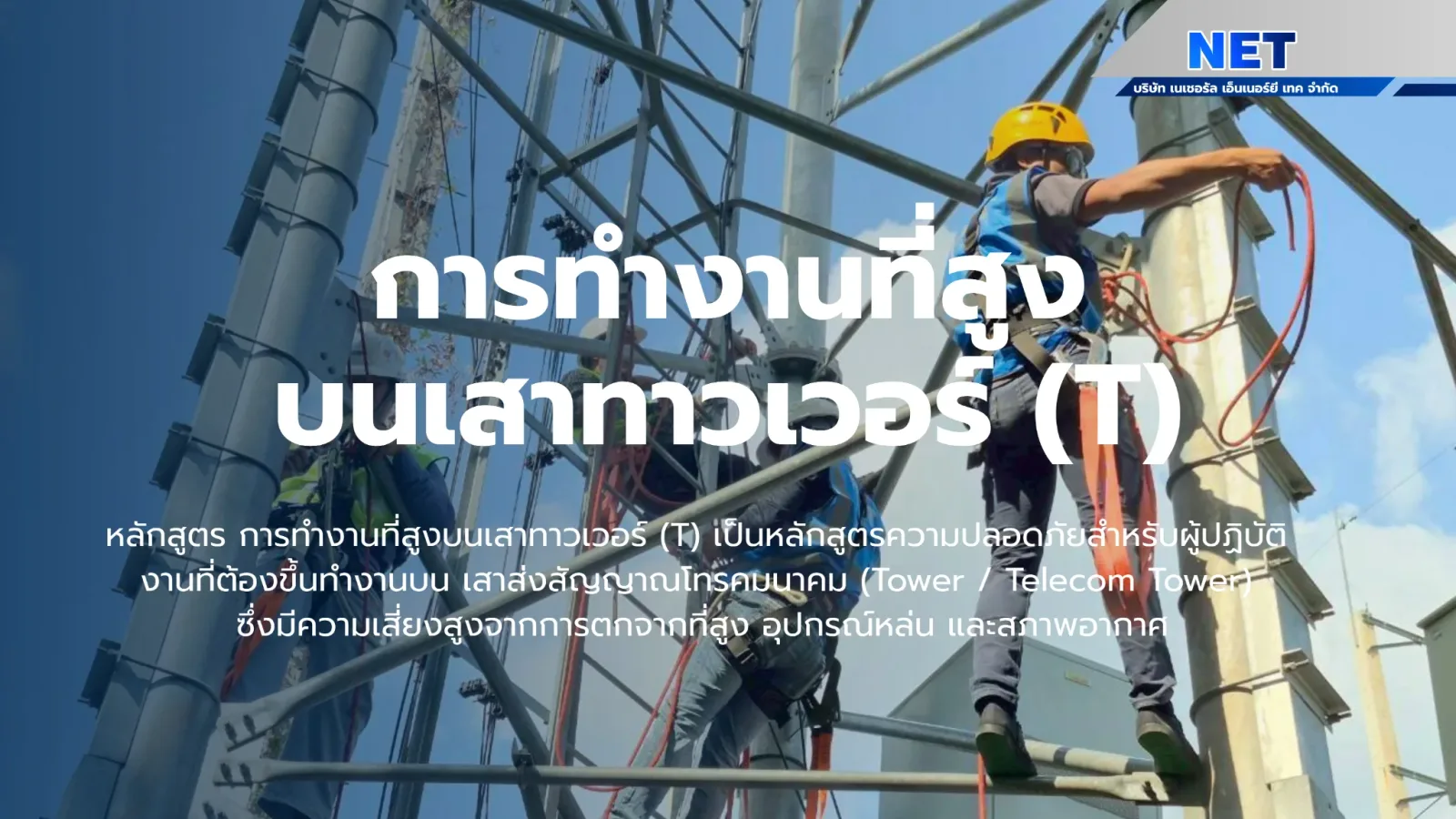
Working at height on a tower (T) is a safety course for workers who must climb up to work on telecommunication signal towers (Tower / Telecom Tower), which carry a high risk from falls from height, falling objects, and weather conditions, with 4 steps for working safely on a tower👨🥰
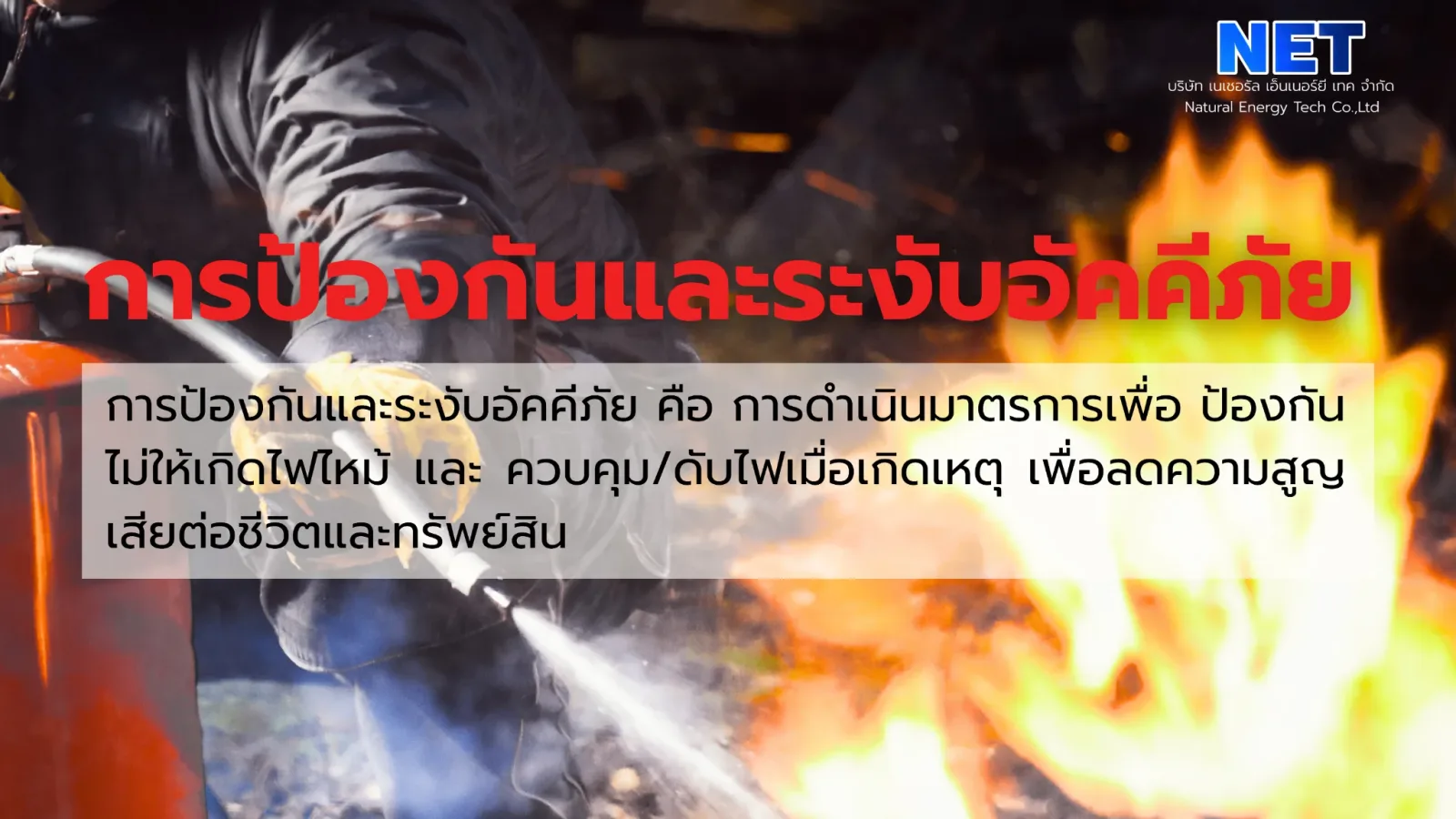
Fire Prevention

The 5 SAFE concept – work with confidence, stay safe every day. In every kind of work, safety must always come first. Most accidents can be prevented if we prepare ourselves, think before acting, and correctly follow safety measures.
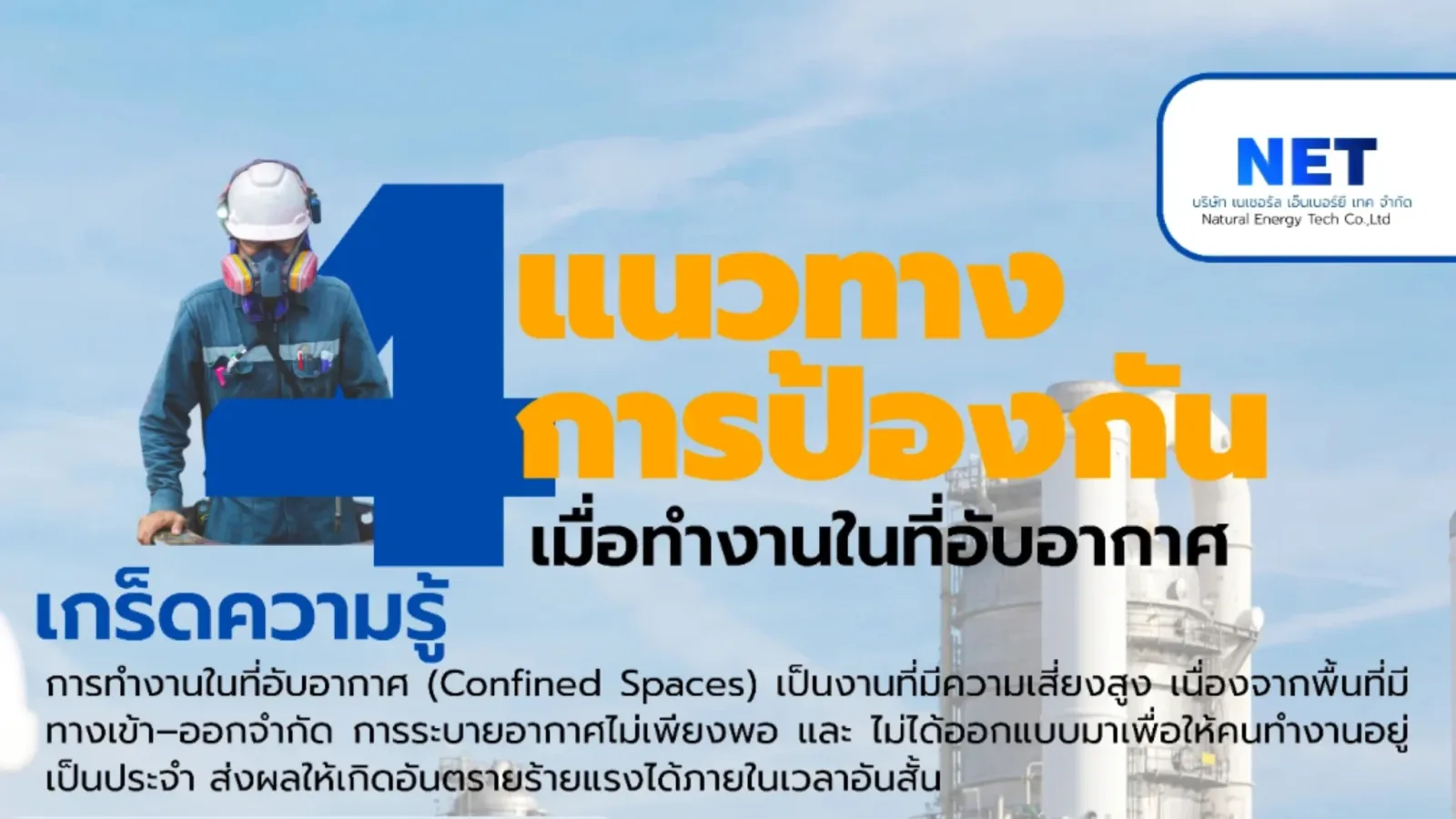
How to work safely in confined spaces? Understand the risks, along with 4⃣ preventive guidelines you must know
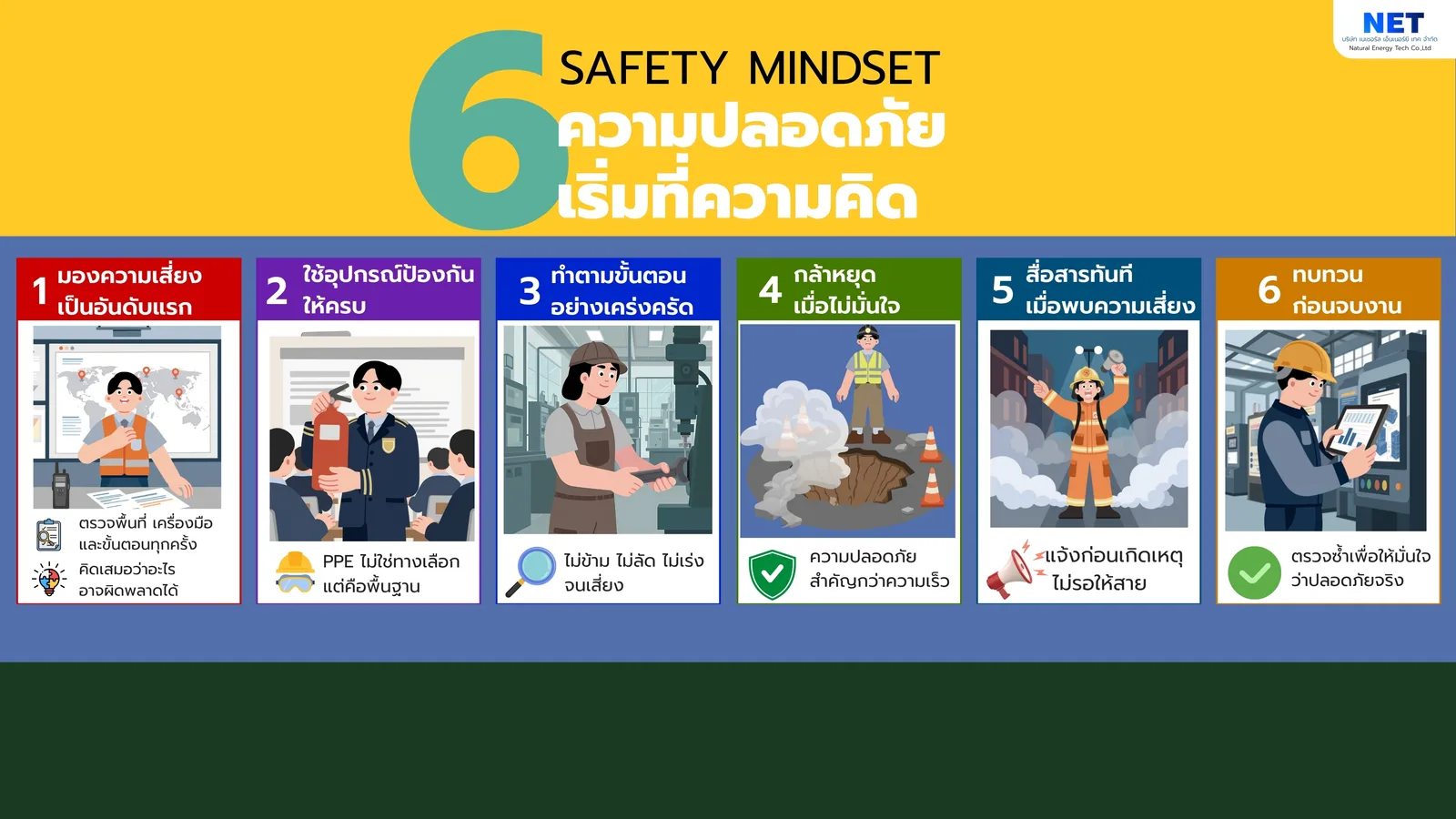
How do you work safely? Stay ahead of the risks with the 6⃣ SAFETY MINDSET
A Safety Mindset is a way of thinking or an attitude that places safety first, before starting any work every single time.