
CP Safety Passport
The access card for working within the CP Group, for contractors and external personnel.
A safety standard training and certification system for contractors and external personnel entering the Charoen Pokphand Group (CP Group), establishing a common safety standard and reducing workplace risk.
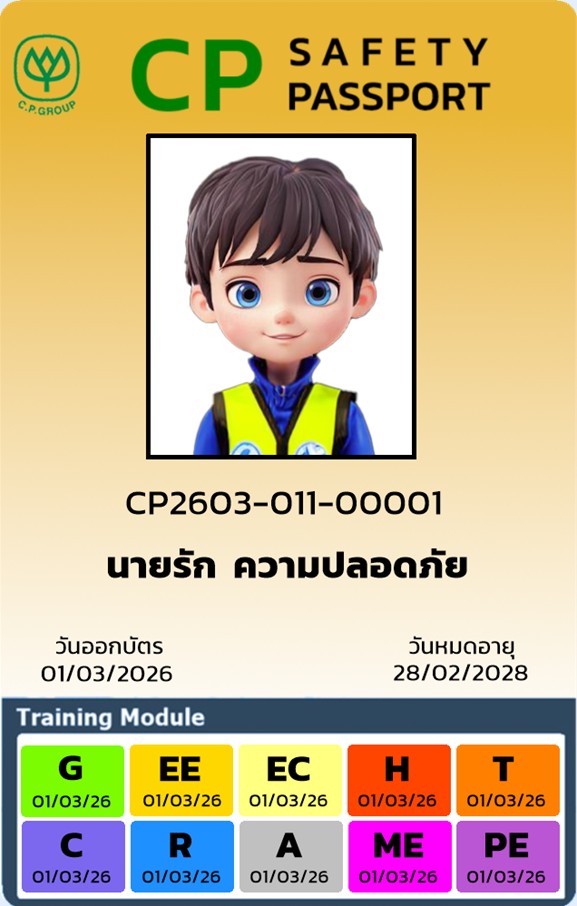
All Cards of the CP Safety Passport
Each card covers specialized work — choose the card that matches your job.
Safety Awareness
Safety Awareness (General Safety)
The foundational card every contractor must hold before entering CP Group sites, covering general safety knowledge and acknowledgment of the Charoen Pokphand Group Life Protection Rules.
Building electrical work
Electrical Work Safety (Electrical Safety)
For electricians and electrical engineers working on indoor electrical systems within the CP Group.
Telcom electrical
Electrical Safety for Telcom Work
For Coaxial / Fiber / Jumper cabling on signal towers and Telcom equipment cabinets.
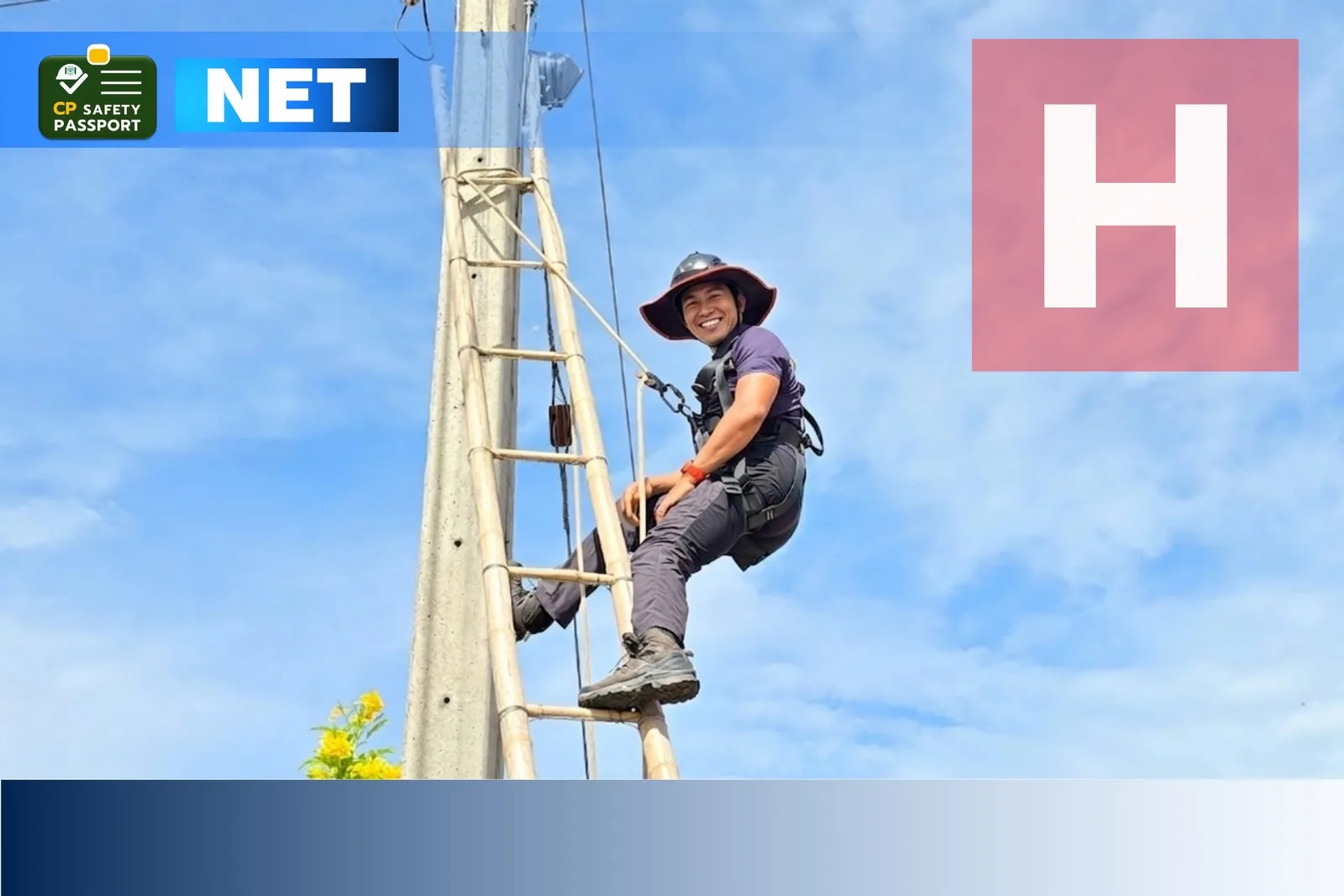
Height work, power poles
Working at Height Safety — Power Poles
A course for climbing and working on power poles, covering fall-protection techniques and specialized rescue.
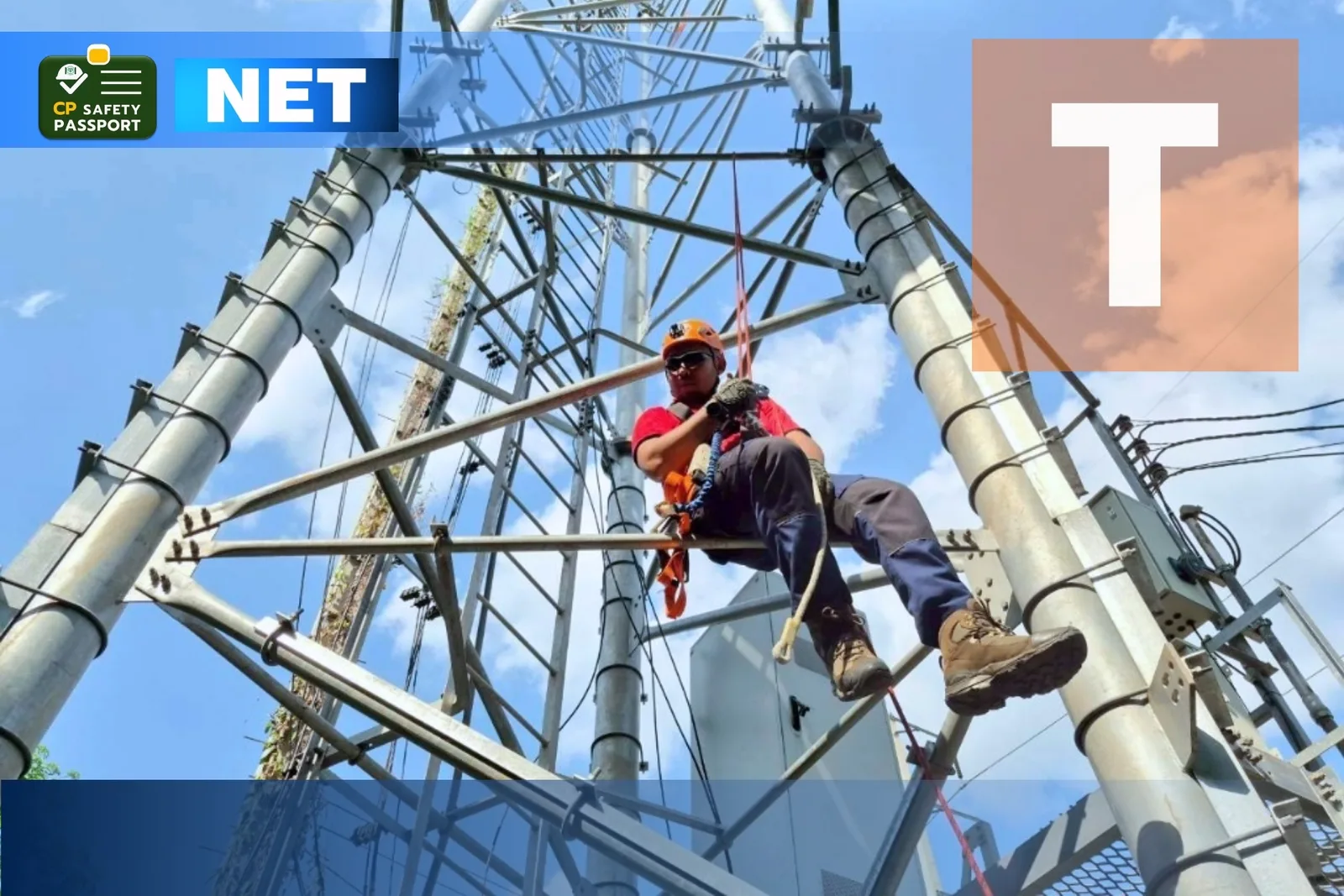
Tower Telecom
Tower Work (Tower work)
For Tower Climbers installing / maintaining Antennas, RRUs, and Microwave equipment on telecom signal towers.
Scaffolding
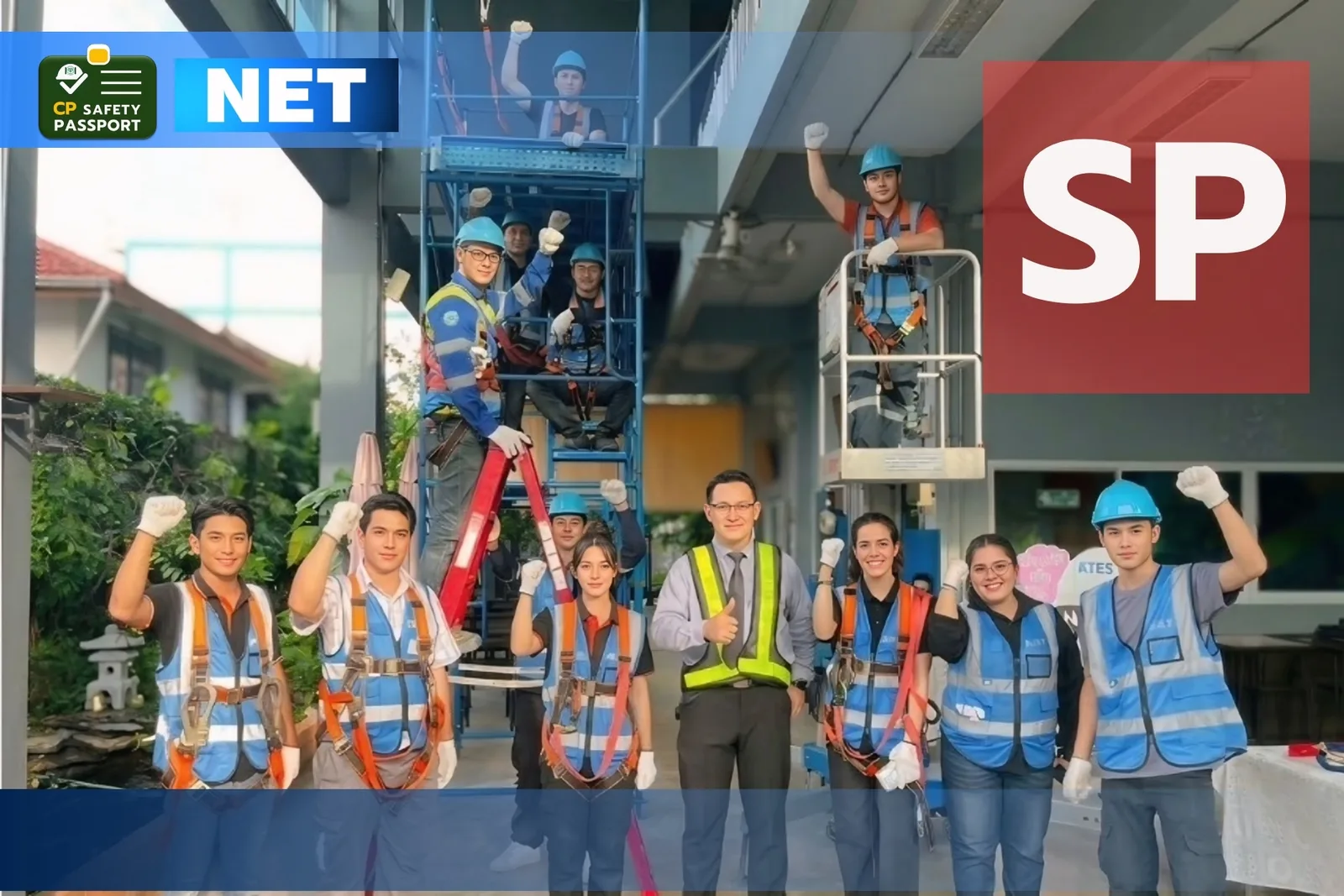
Scaffolding Work (Scaffolding)
A course for installing, inspecting, and dismantling scaffolding on construction or maintenance sites.
Personal Lift
Personal Lift
A course for operators and users of the Personal Lift used to elevate workers for work at height.
Boom lift
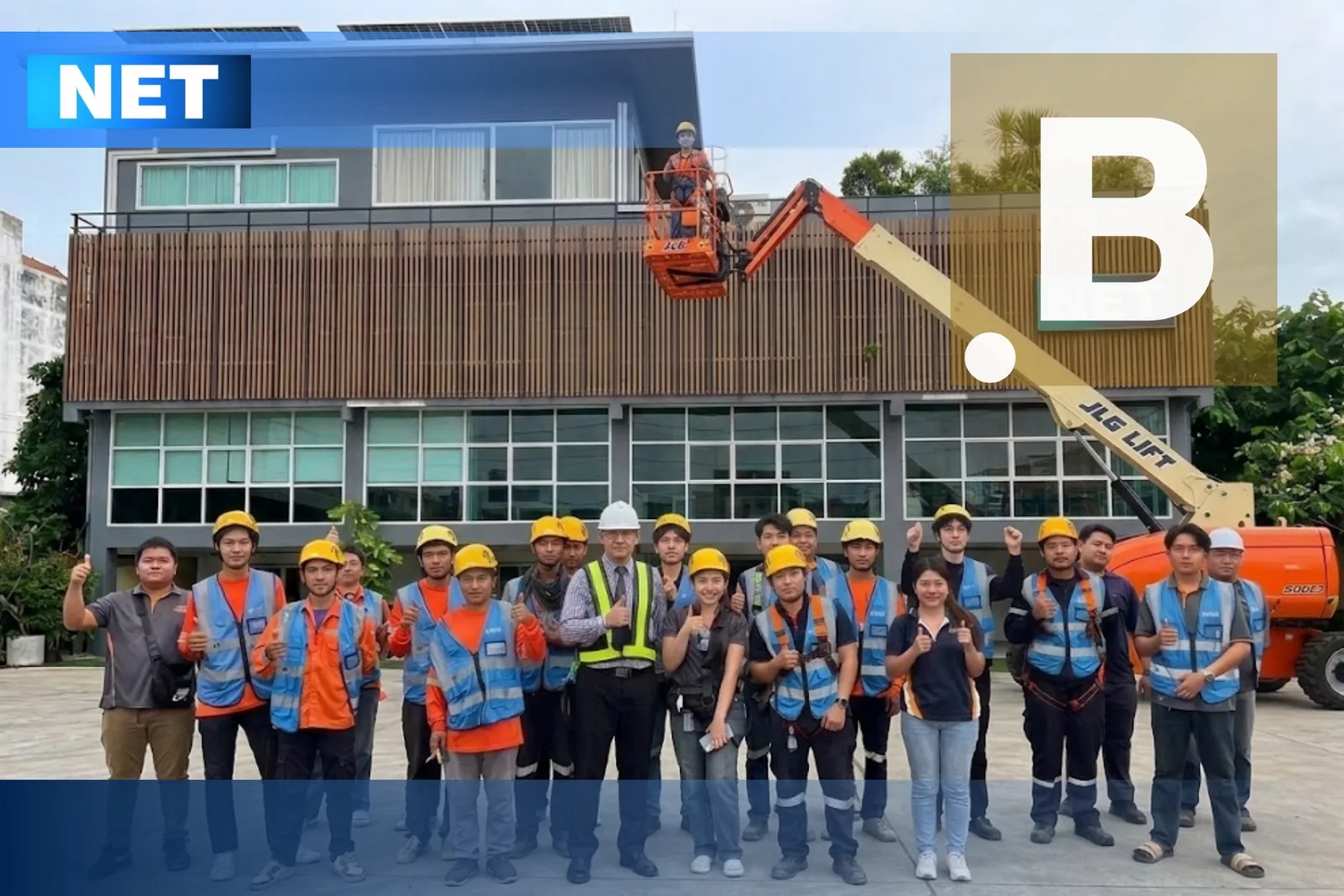
Boom Lift (Boom Lift)
Operating a Boom Lift / Articulating Boom, separate from the man-lift (P) due to the nature of its extending arm.
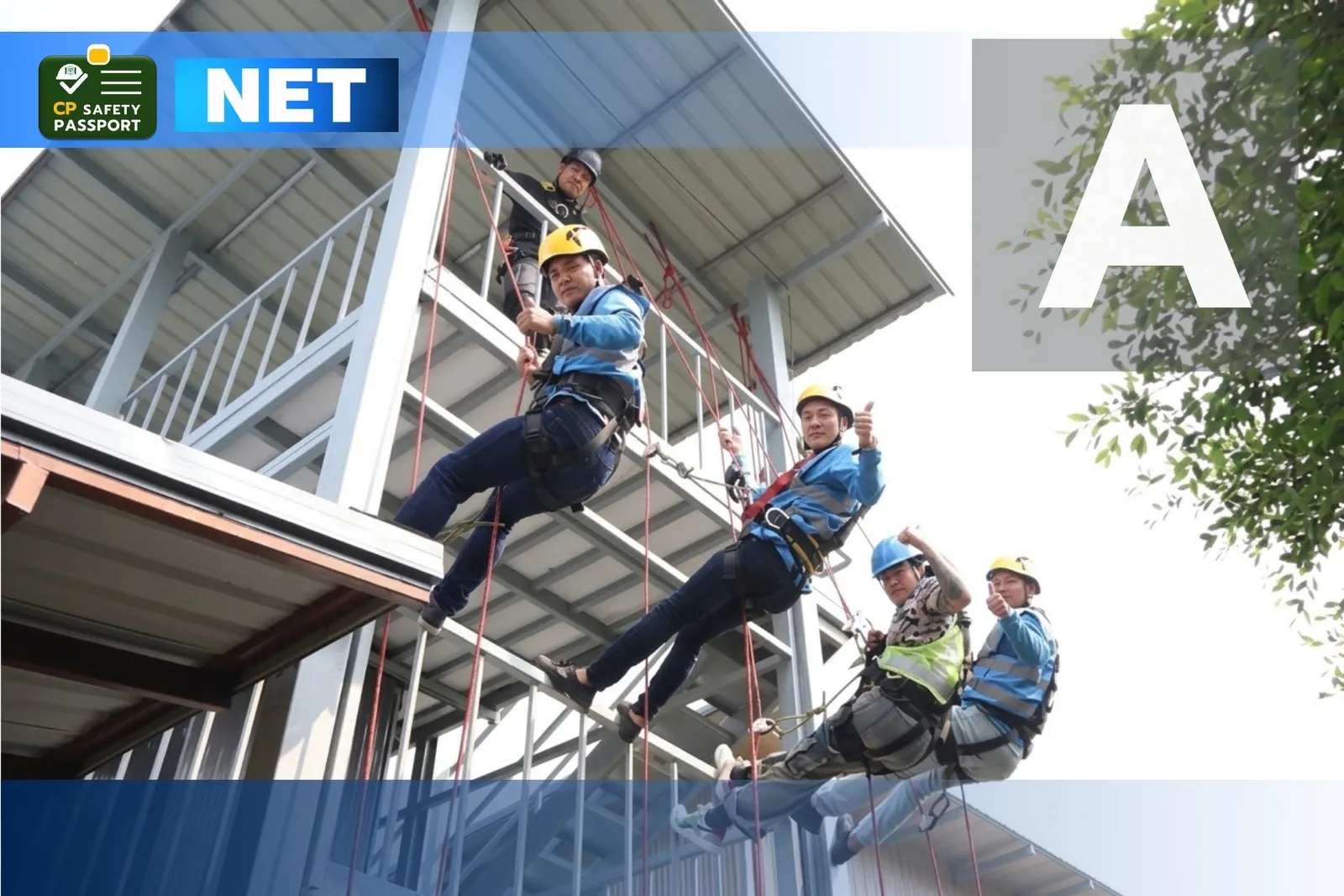
Rope access
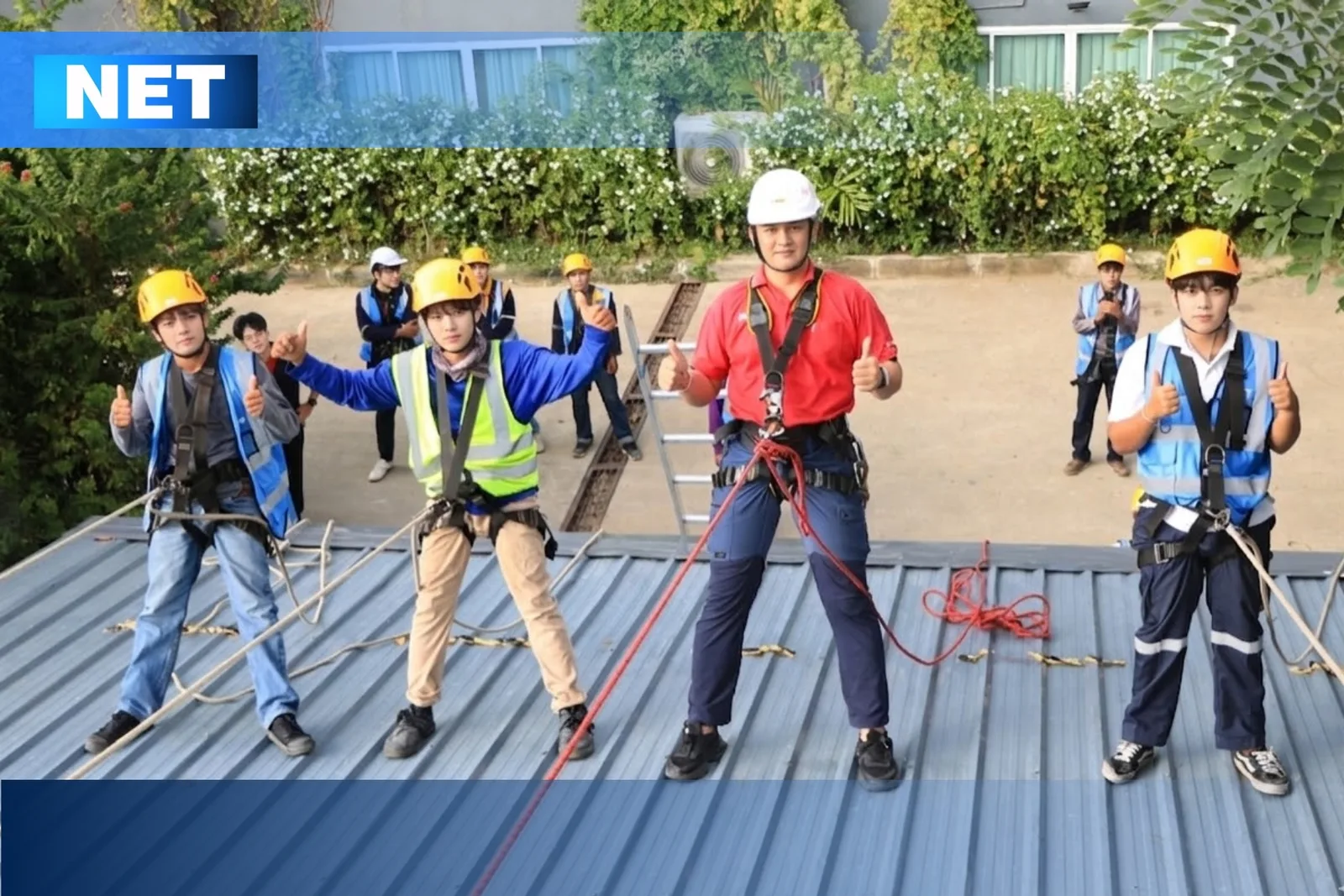
Rope Access Work (Rope Access / Abseiling)
Work using a main rope and backup rope for cleaning high-rise glass, installing pylon signage, or maintaining building exteriors.
Roof work
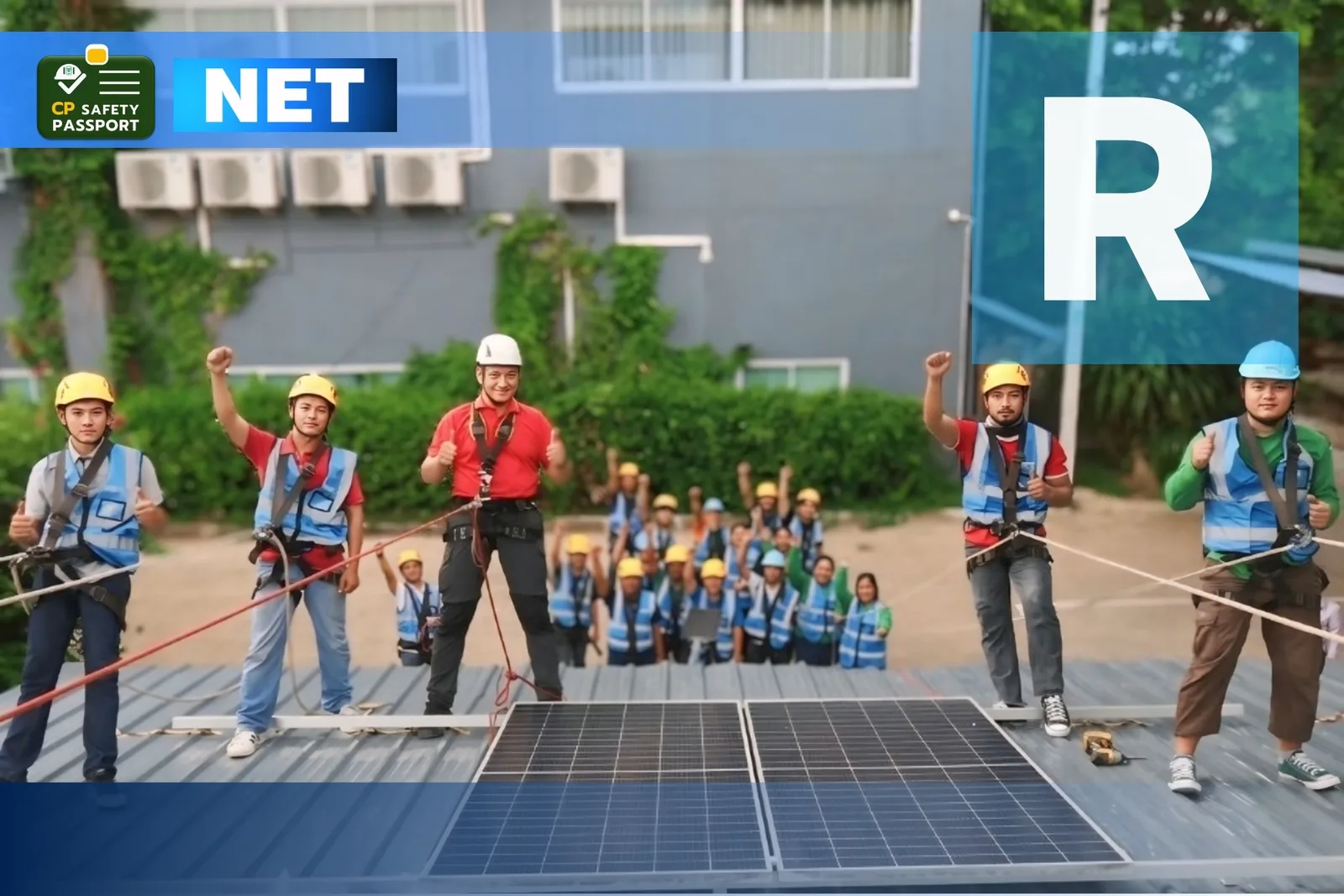
Roof Work (Roof work)
Solar Rooftop work, Metal Sheet roof maintenance, and working on fragile roofs.
Confined space
Confined Space, 4 Roles (Confined Space)
The 4-role confined space course under the 2019 (B.E. 2562) Ministerial Regulation — Authorizer / Supervisor / Standby Rescuer / Worker.
MEA course
Mechanical Equipment — Metropolitan Electricity Authority (MEA) course
A course by the Metropolitan Electricity Authority (MEA); contractors train directly with MEA and then upload the certificate into the CP system.
PEA course
Pole Electrical — Provincial Electricity Authority (PEA) course
A course by the Provincial Electricity Authority (PEA) for personnel stringing communication cables or working near power lines on utility poles.
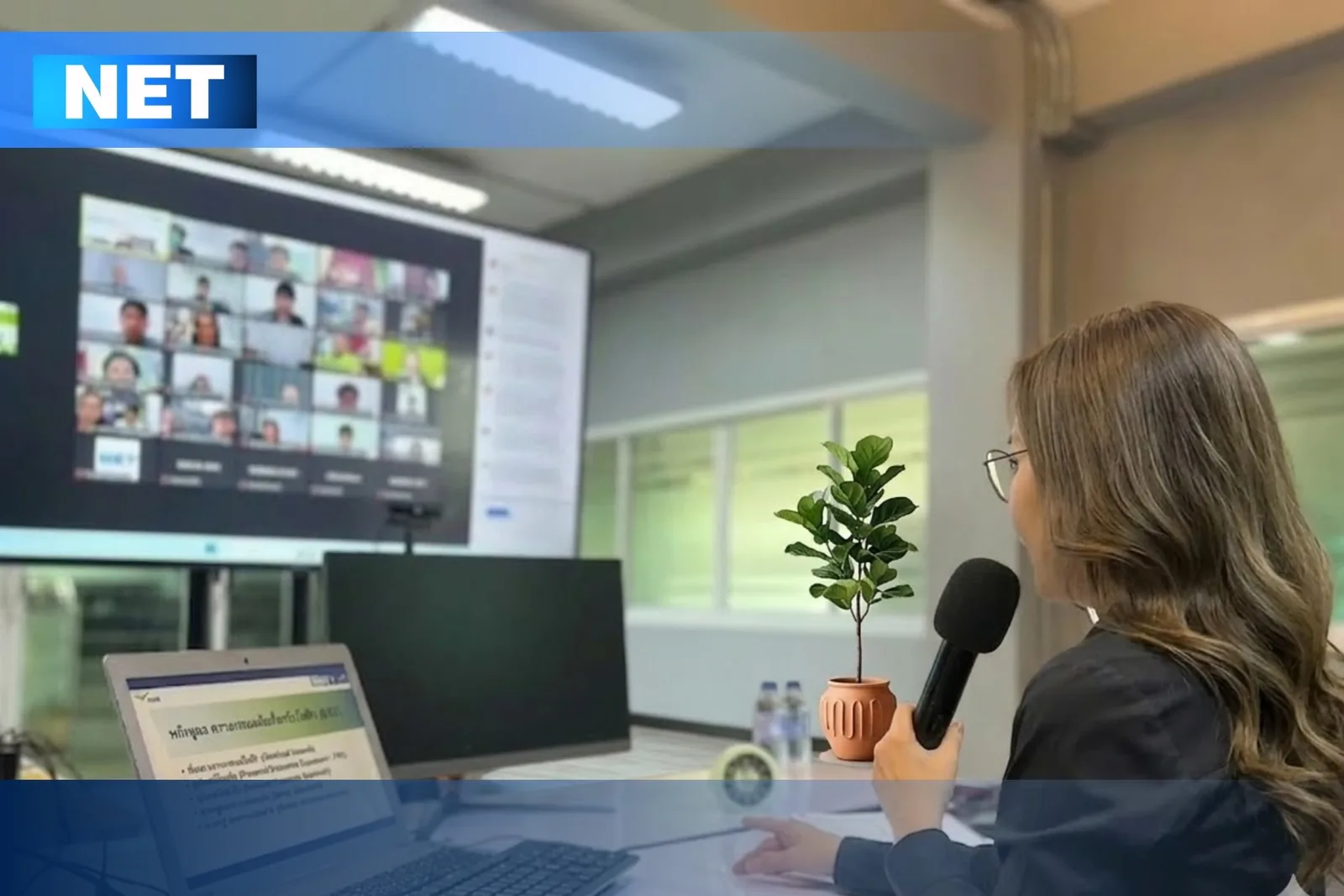
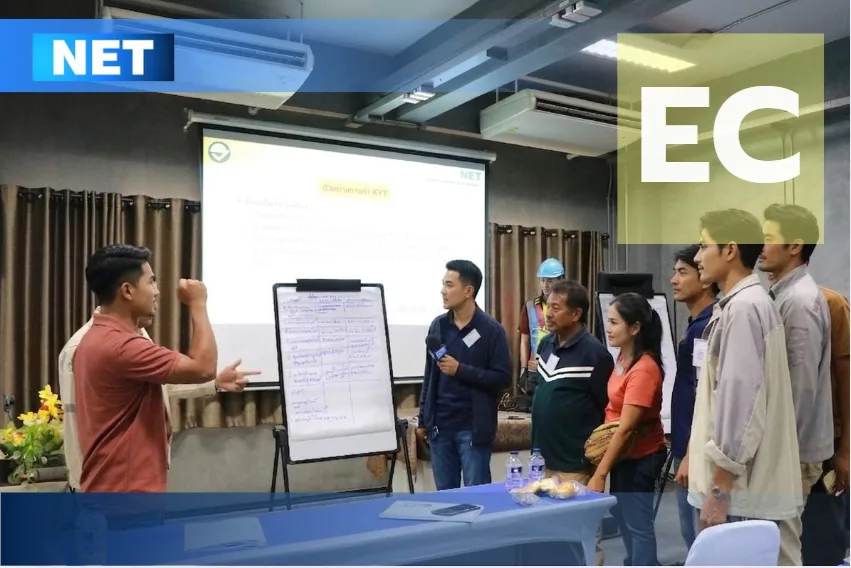
CP Safety Passport Courses Offered by NET
Click a course to see details and upcoming training sessions.


Which card does your work need?
Select a work type to see which cards your team must train for — the G card is the foundational card for every work type.
1. Select work type
2. Cards required
Select a work type on the left to see which cards your team must train for.
The 10 Charoen Pokphand Group Life Protection Rules
Those who complete the G training must sign acknowledgment of all 10 rules — CP's core safety policy.
Removing safety devices / systems
Authorization from an authorized person is required before removing or disabling safety devices, such as machine guards, emergency switches, automatic power cut-off systems, pressure-relief valves, and smoke detection systems.
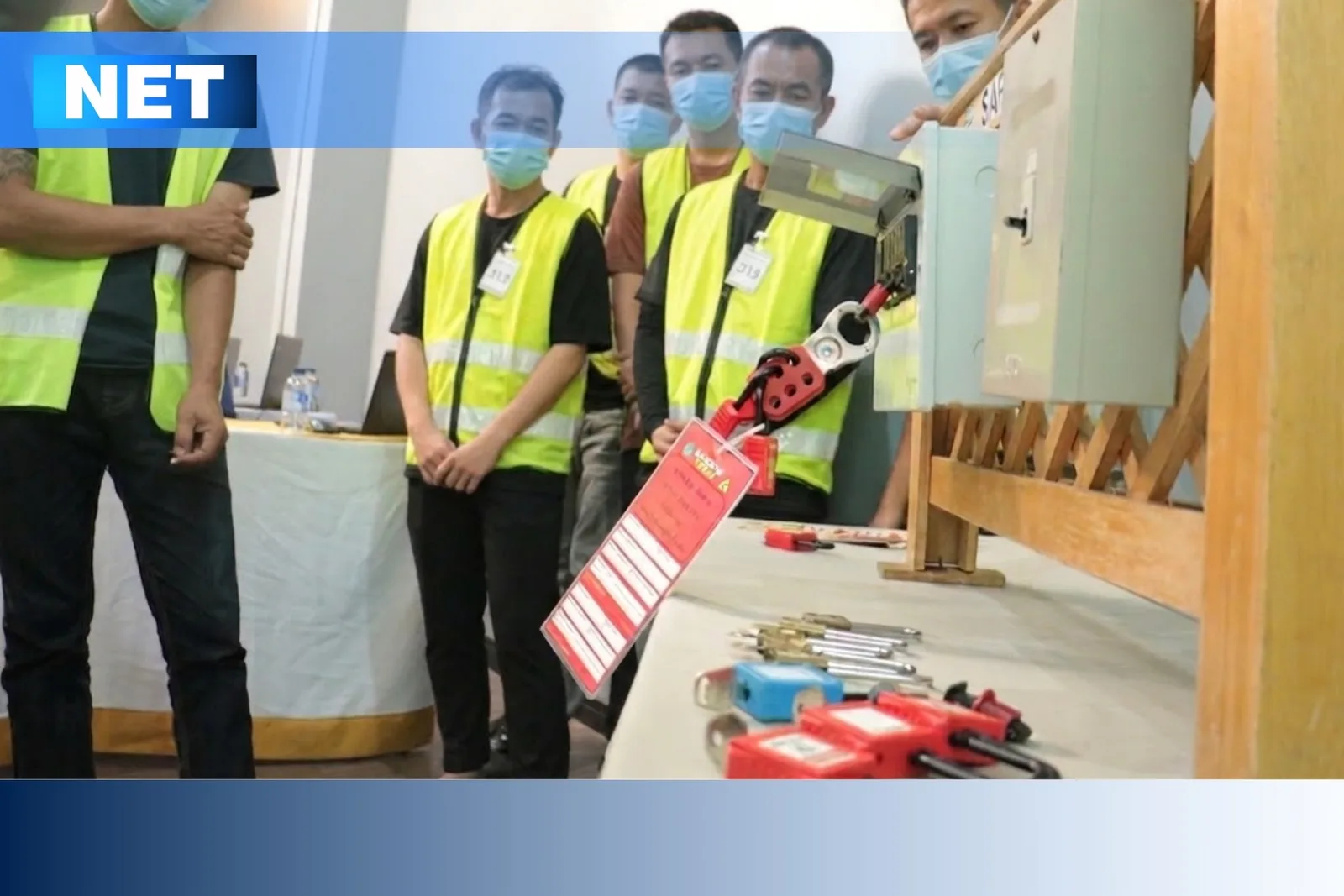
Isolating hazardous energy (LOTO)
Hazardous energy sources must be identified and authorization obtained before isolation; apply all locks and tags, and verify that no residual energy remains before starting work.
Confined spaces
An entry permit is required before entry, with periodic atmospheric testing, a standby rescuer with a rescue plan, and SCBA used when necessary.
Working at height
Personally inspect fall-protection equipment before use, anchor equipment to approved anchor points, and prevent falling objects.
Work permits
High-risk work — such as work at height, confined spaces, energy isolation, or removing devices — requires an approved permit before starting, and must stop for reassessment if working conditions change.
Seat belts
Seat belts must be worn at all times while driving — applicable to all vehicle types, including cars, trucks, cranes, and forklifts.
Safety helmets
Both the rider and all passengers must wear a safety helmet with the chin strap fastened while riding a motorcycle.
Mobile phones and speed
Do not use a mobile phone (including reading and sending messages) while driving, and do not exceed the legal speed limit.
Alcohol / psychoactive substances
Do not consume alcoholic beverages or use psychoactive substances while working or driving / operating machinery.
Unauthorized persons in machinery / hazardous areas
Persons who are not trained or authorized must not work with machinery, hazardous areas, or high-risk equipment.
Frequently Asked Questions
Answers consistent with the official policy and documentation of the CP Safety Passport.
What is the CP Safety Passport?
The CP Safety Passport is a safety standard training and certification system for contractors and external personnel entering the Charoen Pokphand Group (CP Group), establishing a common safety standard and reducing workplace risk. It currently applies to CP Axtra (Makro and Lotus's) and True within the CP Group, covering 10 work types across 13 card codes.
Who must hold a CP Safety Passport?
Contractor employees at every level who will work on the premises of companies within the CP Group. It is currently mandatory for CP Axtra (Makro, Lotus's) and True, covering everyone from subcontractors, transport, installation, maintenance, and cleaning staff to the contractor's security guards.
How many years is the CP Safety Passport valid?
The Contractor card is valid for 2 years according to the card's color cycle, while the Trainer card is valid for 5 years. Before expiry, a Refresher course must be taken to renew the card.
How does Tower Climber work differ from H?
T (Tower) is for climbing steel-structure towers (Lattice / Monopole / Guyed) higher than 20 meters, such as the signal towers of True within the CP Group. H (High pole electrical) is for the concrete or wooden utility poles (8–15 m high), which have different structures and climbing techniques.
Which course is required for CP confined space work?
CP Group confined space work uses the "Confined Space, 4 Roles" course under Thailand's 2019 (B.E. 2562) Ministerial Regulation (Authorizer / Supervisor / Standby Rescuer / Worker). Contractors who already hold certification under Thai law can record the certificate into the CP Safety Passport system.
How much does CP Safety Passport training cost?
The price depends on the card code and format (Public Class / In-house / Online). Contact NET via Line @net10 or the "Request a Quote" form on the website to get a price matching the number of trainees and the card codes you need.
If the card has expired, can I still work within the CP Group?
No — an expired card cannot be used to access CP Group worksites. You must take a Refresher course before expiry. If allowed to expire beyond the deadline, you may have to retake the full course from the beginning.
Why is a CP Safety Passport required even if I already hold a card from elsewhere?
The CP Safety Passport is a system exclusive to the CP Group for working within its premises; only this system's card may be used — safety cards from other systems cannot be substituted.
Contact us by topic
Choose the channel that matches your topic so our team can respond quickly and to the right department.